
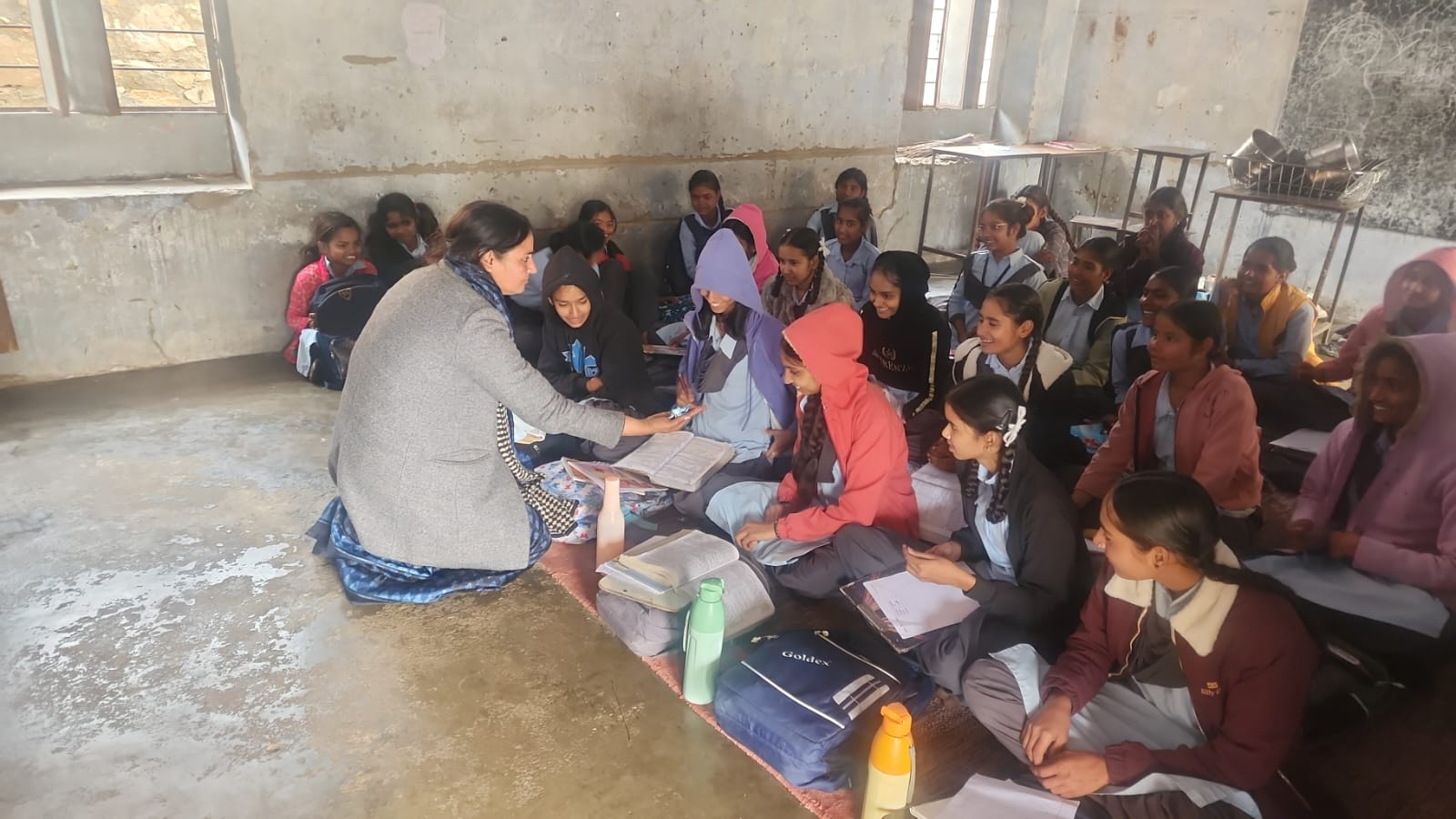
Project EquiFlow works to ensure every girl can access quality education and stay in school. We focus on secondary school — when gender discrimination, period poverty, and financial pressure most often force girls out — and we remove those barriers one by one.
As they get older, more girls drop out of school. Girls in low-income communities drop out at particularly high rates — and the consequences last a lifetime.
Girls who never complete school, by level
At home, in the classroom and in wider society, deep-rooted beliefs about gender shape practices and policies that limit girls' opportunities to learn.
Families who can't afford school fees are more likely to send boys than girls to school.
In lower-income countries, 20% of girls who suffer sexual violence experience it in school, greatly impacting their learning and attendance.
Governments in lower-income countries lack the funds to provide good secondary schools, teachers and sanitation facilities where girls can properly manage their periods.
Girls living in areas with conflict are 90% more likely to be out of secondary school than girls in areas without conflict.
Poor education quality prevents students from learning what they need to thrive in today's world and reinforces gender discrimination in school and society.
Nearly 19% of young women are married and 13% give birth before turning 18. Most married and pregnant girls drop out of school.
By 2025 climate change will be a contributing factor in preventing at least 12.5 million girls from completing their education each year.
Every child has a right to education. All girls — regardless of income level, social status, race, or cultural background — have a right to learn on equal terms with boys including access to quality teachers, learning materials and school facilities.
Quality education challenges gender beliefs and discrimination and improves girls' ability to choose their own futures. When they can fully participate in society, politics and the economy, educated girls and women reshape gender roles and advocate for their own rights.
Educated women provide vital skills and knowledge to the workforce, driving economic growth and innovation. Women with secondary education earn almost twice as much as women with no education. When women earn more, they uplift their families and contribute to national economies.
Education equips girls with the know-how to help communities adapt to and mitigate the effects of climate change. In countries that invest in girls' education, significantly fewer people die from droughts and floods than in countries with lower levels of girls' education.
When girls are educated, communities experience fewer maternal and child deaths and less malnutrition. Girls are better equipped to make health care decisions for themselves and their families and are more likely to identify needed improvements to public services in their communities.
"Having access to education builds agency. It enables girls to understand the forces shaping their communities — and to lead the change themselves."— Project EquiFlow, on the girls we serve
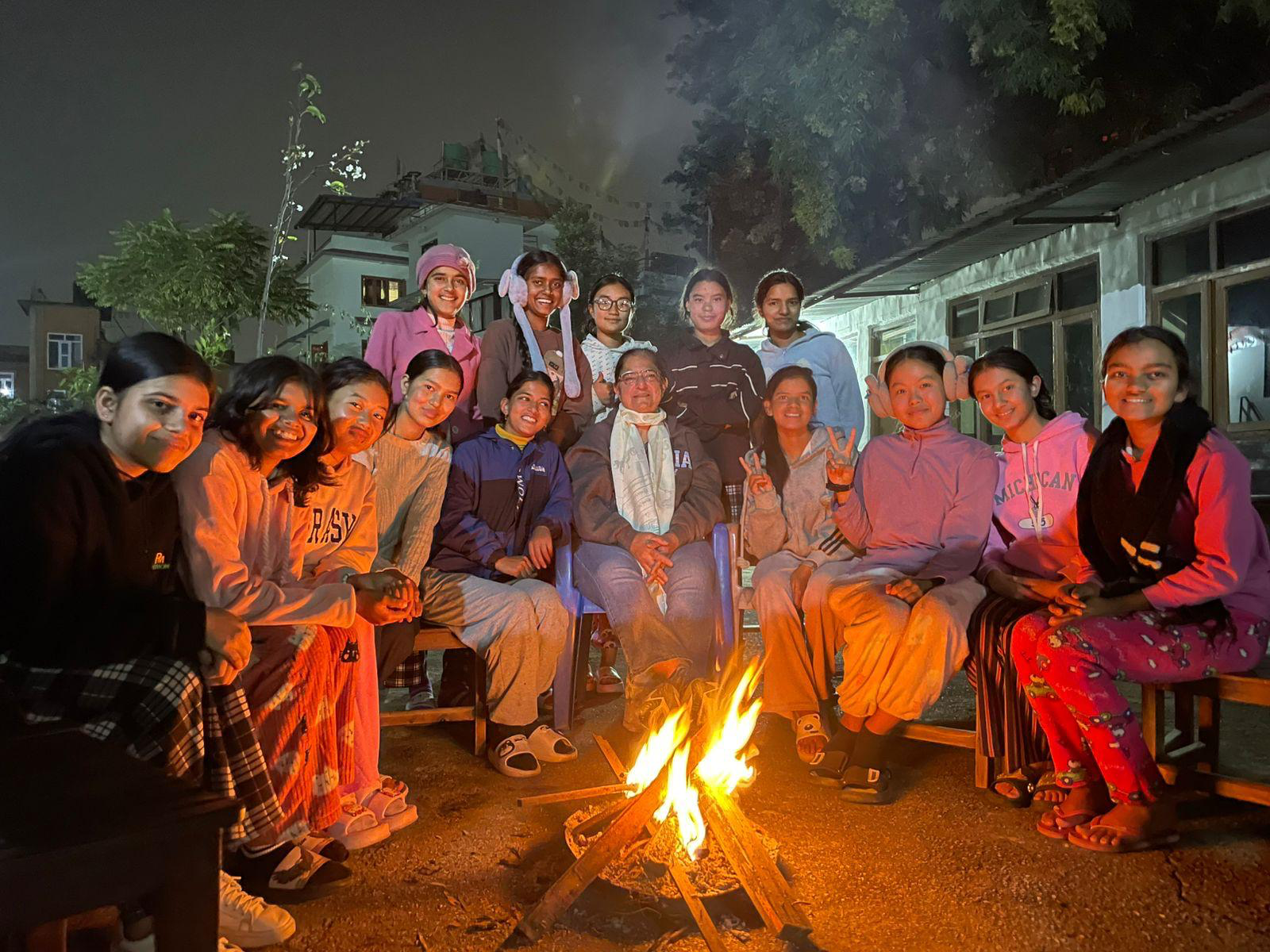
Project EquiFlow runs on-the-ground programs that remove the specific barriers girls face: the cost of school supplies, period poverty, lack of mentors, and missing community support.
We don't just talk about the crisis — we show up where girls are, and we stay until the barrier is gone. Our chapters are led by students who understand what it takes, because they've lived it.
See Our ProgramsYour support keeps girls in school and changes what's possible for entire communities.
Support a Girl Today